



Parasite
Antiparasitics are a class of medications which are indicated for the treatment of parasitic diseases such as nematodes, cestodes, trematodes, and infectious protozoa.
Parasite Isoform Specific Products
All Product Categories
-
Parasite Related Products (2528)
Related Products (2528)

-
Related Compound Screening Libraries (1)
-
Parasite Isoform Comparison
-
Artemotil
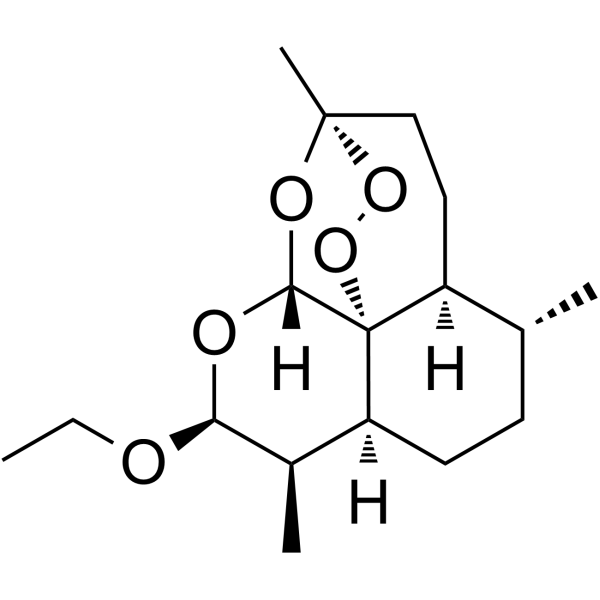 0 ImagesSynonyms: β-Arteether; (+)-Arteether; ArteetherArtemotil (β-Arteether) has antimalarial activity for the treatment of chloroquine-resistant Plasmodium falciparum malaria with an IC50 of 1.61 nM. Artemotil also has central nervous system (CNS) neurotoxicity and anorectic toxicity in rats, dogs and monkeys.
-
Cinchonidine
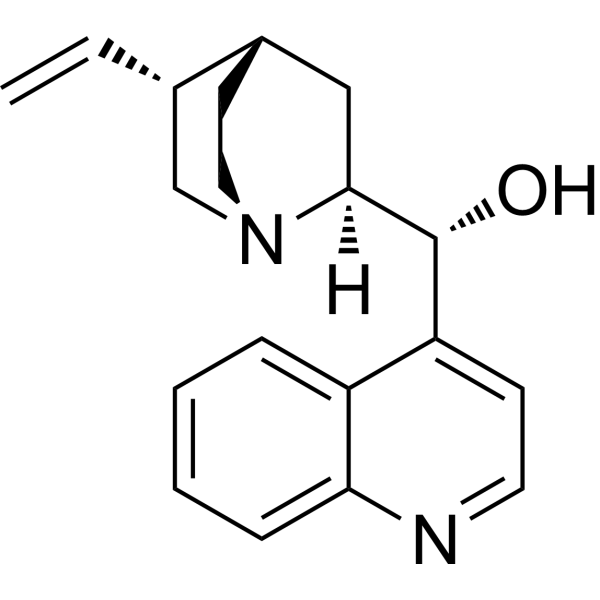 0 ImagesCinchonidine (α-Quinidine) is a cinchona alkaloid found in Cinchona officinalis and Gongronema latifolium. A building block used in asymmetric synthesis in organic chemistry. Weak inhibitor of serotonin transporter (SERT) with Kis of 330, 4.2, 36, 196, 15 μM for dSERT, hSERT, hSERT I172M, hSERT S438T, hSERT Y95F, respectively. Antimalarial activities.
-
Piperaquine phosphate
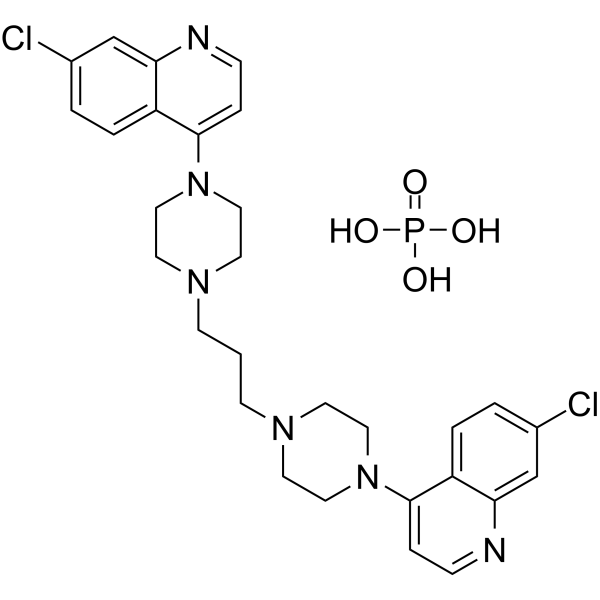 0 ImagesPiperaquine phosphate is a bisquinoline antimalarial agent. Piperaquine phosphate can be used in antimalarial research in combination with Artemisinin.
-
Picaridin
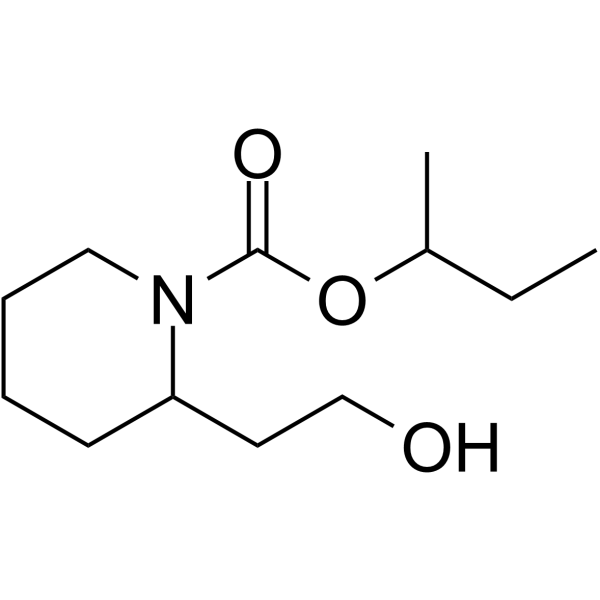 0 ImagesSynonyms: LcaridinPicaridin (Lcaridin) is a broad spectrum arthropod repellent. Picaridin interacts with mosquito and tick olfactory receptor proteins. Picaridin repels Aedes aegypti. Picaridin exhibits considerable antibacterial, anticandidal and antifungal properties.
-
Monensin sodium (Standard)
 0 ImagesCat. No.: HY-N0150RCAS No.: 22373-78-0Synonyms: Monensin A sodium (Standard)Monensin (sodium) (Standard) is the analytical standard of Monensin (sodium). This product is intended for research and analytical applications. Monensin (Monensin A) sodium, an orally active antibiotic, is an ionophore that mediates Na+/H+ exchange. Monensin sodium is a potent Wnt signaling inhibitor. Monensin sodium causes a marked enlargement of the multivesicular bodies (MVBs) and regulates exosome secretion. Monensin sodium can be used for bacterial, fungal, and parasitic infections research, and shows anticancer effects.
-
1H-pyrazole
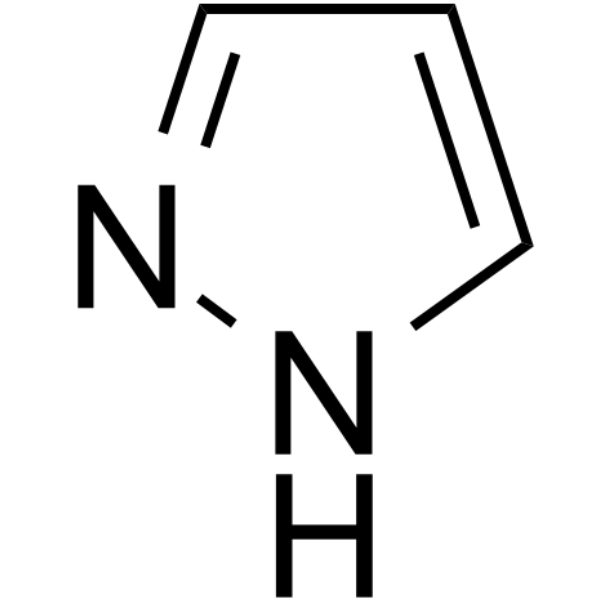 0 Images1H-pyrazole (Pyrazole) is a five-membered heterocyclic compound, and its derivatives are orally effective antimalarial and antileishmanial agents with the potential to modulate targets such as alcohol dehydrogenase and NMDA receptors. 1H-pyrazole derivatives exhibit inhibitory effects on Plasmodium berghei in infected mice and on promastigotes of Leishmania aethiopica, respectively. 1H-pyrazole can be used in research related to malaria and leishmaniasis.
-
Defensin HNP-1 human
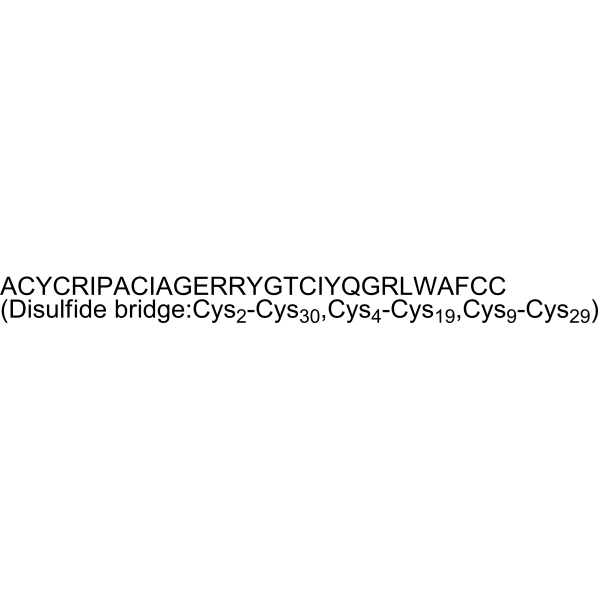 0 ImagesDefensin HNP-1 human is a type of human neutrophil peptide (HNPs). Defensin HNP-1 human possesses immunomodulatory functions and can delay the apoptosis of neutrophils. Defensin HNP-1 human inhibits DNA/RNA/protein synthesis and interferes with metabolic pathways, thus exhibiting broad antibacterial activity. Defensin HNP-1 human has direct inactivation effects on HIV, HSV-1, HSV-2, CMV, influenza virus, etc. Defensin HNP-1 human has antileishmanial activity. Defensin HNP-1 human is involved in endothelial cell dysfunction during the early development of atherosclerosis.
-
Lufenuron
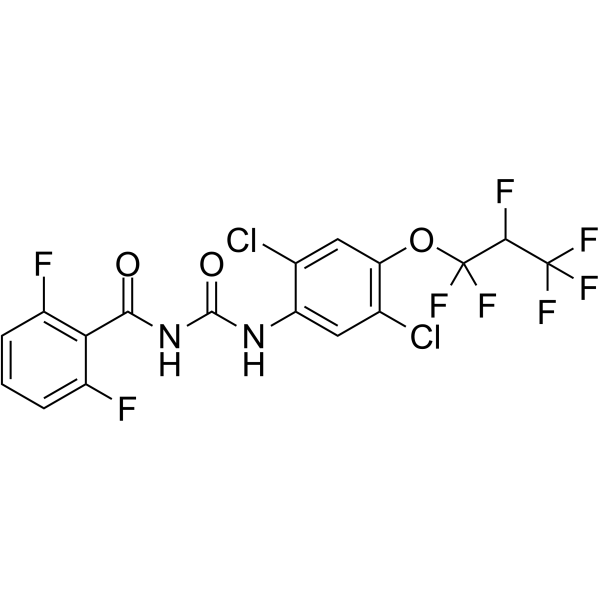 0 ImagesLufenuron is an orally active lipophilic benzoylurea insecticide and a chitin synthesis inhibitor that can used for flea and fish lice control. Lufenuron inhibits moulting of arthropods. Lufenuron induces reproductive toxicity, genotoxic effects and oxidative stresses in pregnant albino rats and their fetuses.
-
Bephenium (hydroxynaphthoate)
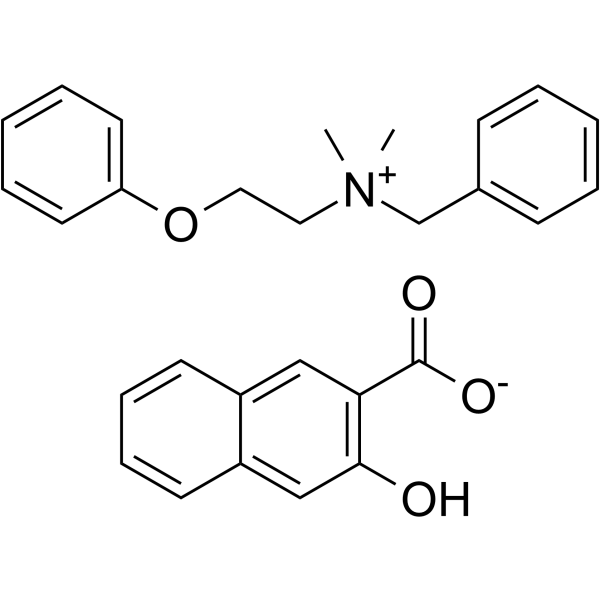 0 ImagesBephenium hydroxynaphthoate is an orally active anthelmintic with anthelmintic activity against hookworms and roundworms. Bephenium hydroxynaphthoate reduces egg counts, promotes worm expulsion, and most expelled roundworms die at approximately 24 h, while the rest show weakened activity. Bephenium hydroxynaphthoate can be used in research related to ascariasis, hookworm infection, and roundworm infection.
-
Hygromycin B (Standard)
 0 ImagesSynonyms: Hygrovetine (Standard)Hygromycin B (Standard) is the analytical standard of Hygromycin B. This product is intended for research and analytical applications. Hygromycin B is an aminoglycoside antibiotic active against prokaryotic and eukaryotic cells.
-
Miransertib hydrochloride
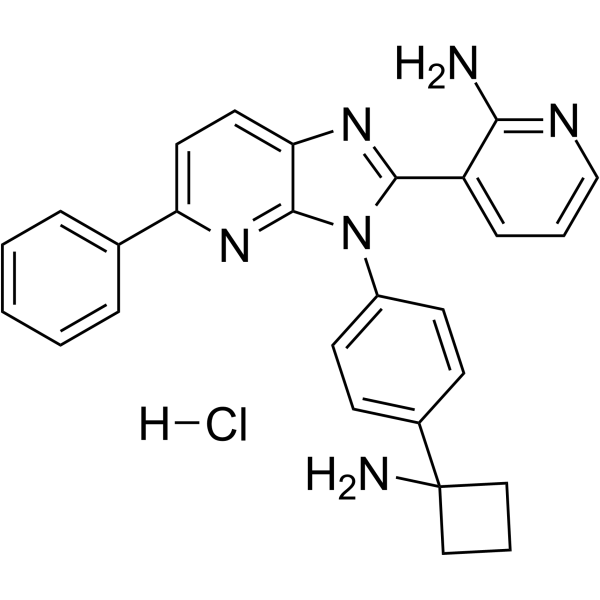 0 ImagesSynonyms: ARQ-092 hydrochlorideMiransertib hydrochloride (ARQ-092 hydrochloride) is a potent, orally active, selective and allosteric Akt inhibitor with IC50s of 2.7 nM, 14 nM and 8.1 nM for Akt1, Akt2, Akt3, respectively. Miransertib hydrochloride is also a potent the AKT1-E17K mutant protein inhibitor and has the potential for PI3K/AKT-driven tumors and Proteus syndrome research. Miransertib hydrochloride is effective against Leishmania.
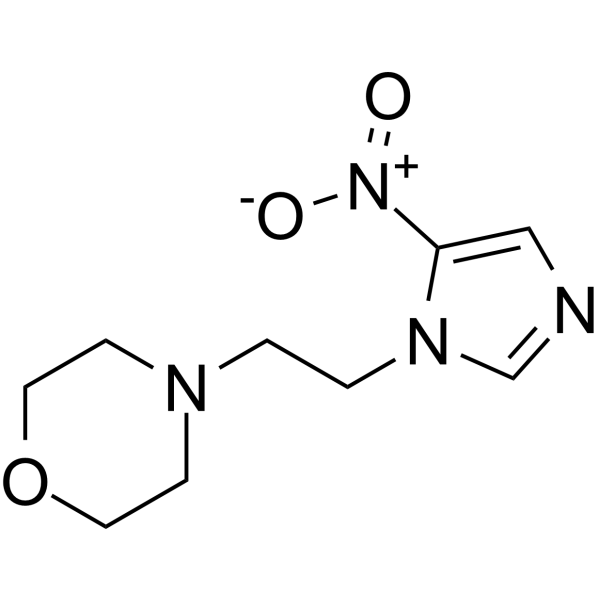
-
Fexinidazole
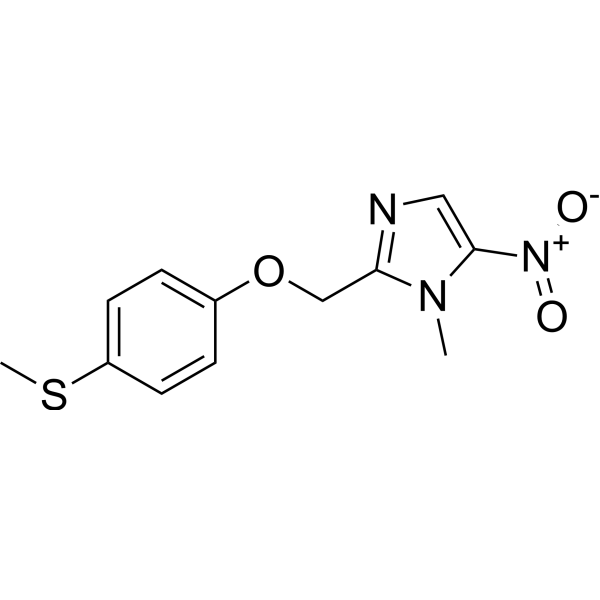 0 ImagesSynonyms: HOE 239Fexinidazole (HOE 239) is an orally active, potent nitroimidazole antitrypanosomal agent. Fexinidazole shows trypanocidal activity against T. brucei subspecies and strains with IC50s of 0.7-3.3 μM (0.2-0.9 μg/ml). Fexinidazol has the potential for human sleeping sickness (HAT) caused by infection with T. brucei.
-
Chaetoglobosin A
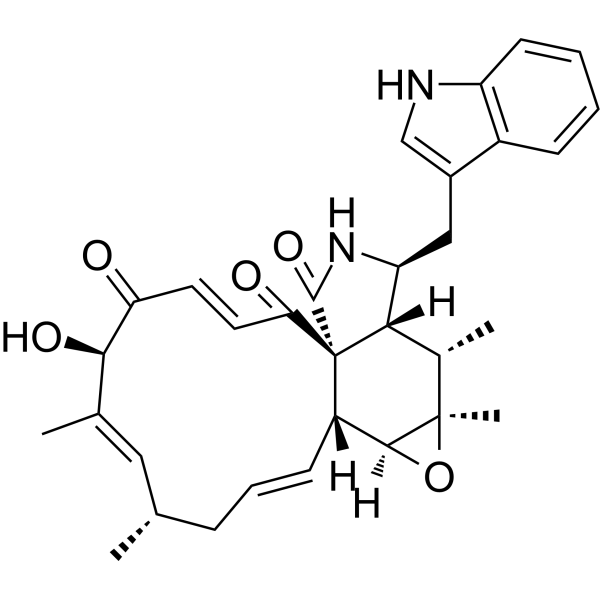 0 ImagesChaetoglobosin A is a secondary metabolite and nematicide. Chaetoglobosin A is produced by Penicillium aquamarinium. Chaetoglobosin A targets Filamentous actin in cells, thereby inducing cell cycle arrest, and inhibiting membrane ruffle formation and cell migration. Chaetoglobosin A preferentially induces Apoptosis in chronic lymphocytic leukemia cells. Chaetoglobosin A induces dose- and time-dependent death in J2 larvae of the southern root-knot nematode (Meloidogyne incognita). Chaetoglobosin A can be used in studies related to root-knot nematode disease and chronic lymphocytic leukemia.
-
L-Eflornithine monohydrochloride
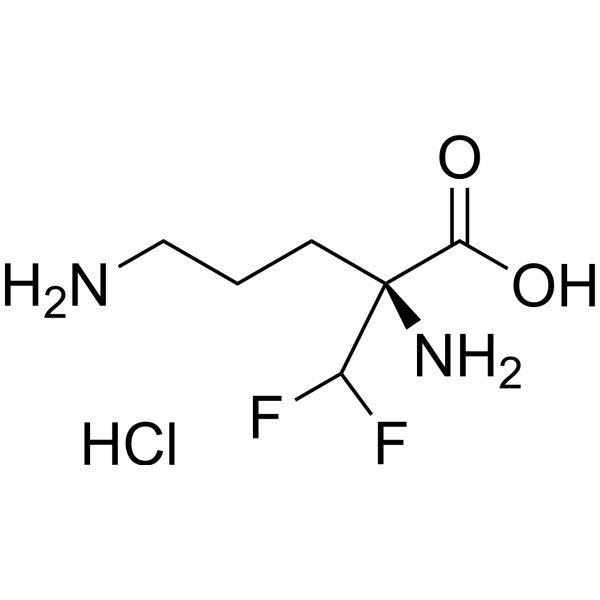 0 ImagesSynonyms: L-DFMO monohydrochloride; ; L-RMI71782 monohydrochloride; L-α-difluoromethylornithine monohydrochlorideL-Eflornithine monohydrochloride (L-DFMO monohydrochloride) is an enantiomer of Eflornithine. L-Eflornithine is an irreversible ornithine decarboxylase (ODC) inhibitor with a KD of 1.3±0.3 µM, and a Kinact of 0.15±0.03 min-1.
-
Oosporein
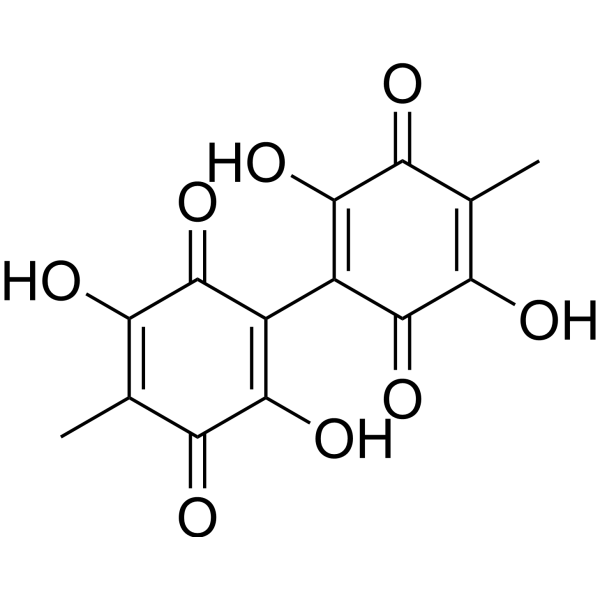 0 ImagesOosporein is a microbial metabolite and a red crystalline toxin produced by various fungi. Oosporein can promote the reproduction of fungi in host bodies by inhibiting insect immunity, and possesses multiple activities such as antibacterial, antiviral (HSV), and insecticidal effects. Oosporein can inhibit plant growth. In addition, Oosporein can also induce apoptosis, cell membrane damage, oxidative stress, and mitochondrial damage. Oosporein has certain antitumor activity.
-
Pyrantel pamoate
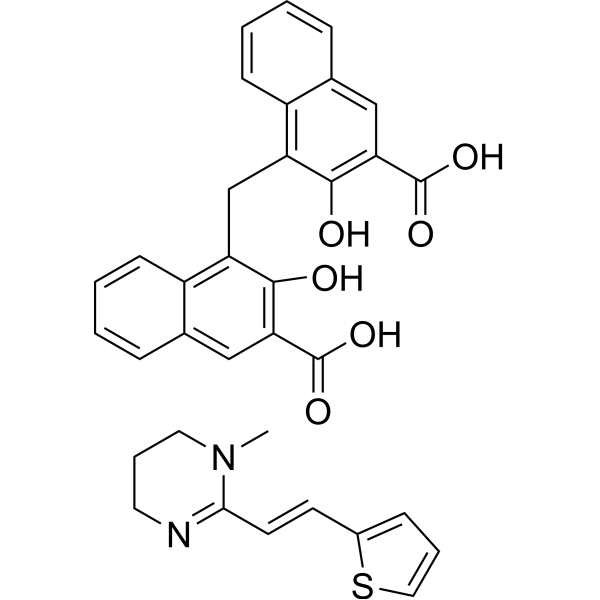 0 ImagesSynonyms: Pyrantel embonatePyrantel pamoate is an orally active antiparasitic agent. Pyrantel pamoate induces spastic paralysis in parasites via actions on neural and muscular cholinergic receptors as a nicotinic acetylcholine receptor (nAChR) agonist. Pyrantel pamoate eliminates both immature and mature endoparasites in horses. Pyrantel pamoate can be used in research related to parasitic infections.
-
GSK-J5
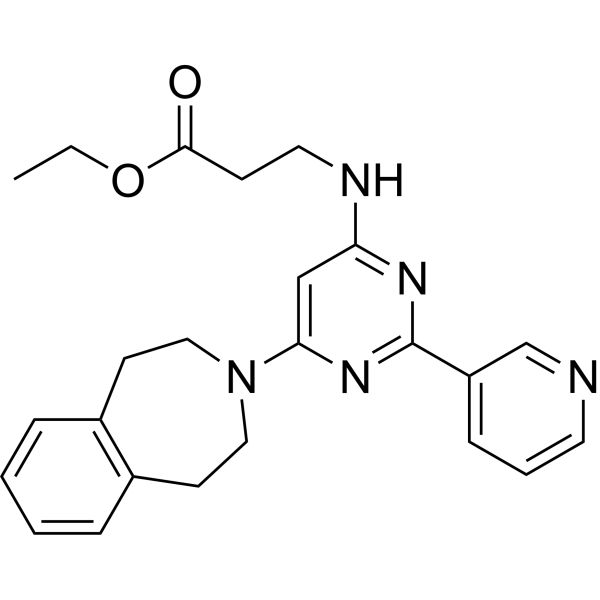 0 ImagesGSK-J5 is a potent inhibitor of Schistosome and worm. GSK-J5 increases schistosomula mortality and adult worm motility and mortality, as well as egg oviposition, in a dose- and time-dependent manner.
-
Doxycycline hydrochloride (Standard)
 0 ImagesDoxycycline hydrochloride (Standard) is the analytical standard of Doxycycline hydrochloride (HY-N0565A). This product is intended for research and analytical applications. Doxycycline hydrochloride is an orally active highly lipophilic, tissue-permeable MMP inhibitor with broad-spectrum antibacterial activity. Doxycycline hydrochloride is also a semi-synthetic antibiotic with chelating properties, which blocks bacterial protein synthesis and inhibits extracellular matrix degradation through interactions with zinc and calcium atoms. Doxycycline hydrochloride also inhibits mitochondrial biogenesis, translation, and the expression of respiratory chain proteins. Doxycycline hydrochloride induces apoptosis, inhibits autophagy and EMT, downregulates stem cell markers, and activates the PI3K-AKT pathway, thereby effectively inhibiting the viability and proliferation of cancer cells such as breast cancer cells. Doxycycline hydrochloride also promotes the survival and self-renewal of embryonic stem cells and neural stem cells, and reduces the frequency of medium changes in culture. Doxycycline hydrochloride has been applied in studies related to breast cancer, prostate cancer, bladder cancer, and other cancers.
-
Isethionic acid (80% in water)
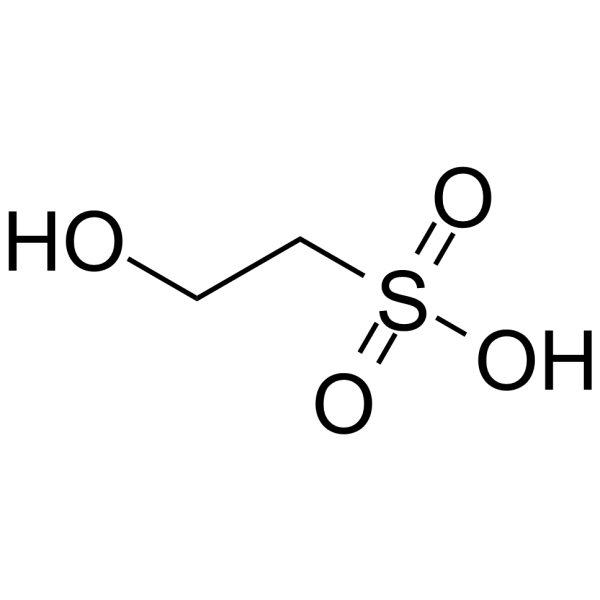 0 ImagesIsethionic acid (2-Hydroxyethanesulfonic acid) is an endogenous mammalian Taurine (HY-B0351) metabolite. Isethionic acid forms covalent ester linkages with cholic acid. It acts as a larval settlement inhibitor for Balanus amphitrite with larval toxicity. Isethionic acid enables the low-temperature synthesis of highly hygroscopic water-soluble sulfonates, and its acylated derivatives serve as acidic wetting solubilizers. It is used in studies related to hepatic bile acid metabolism, biological control and organic synthesis.



